
Quick Answer
Junga Winner Group is an informal online term used to describe discussions and communities related to “Junga” winners and shared information, rather than any official or verified system.
Introduction
Junga Winner Group is a term people commonly search and discuss online when they want to understand conversations, shared experiences, and discussions related to “Junga” winners. It is mainly used in an informational and community-based context, where the focus is on understanding and awareness.
What Is Junga Winner Group?
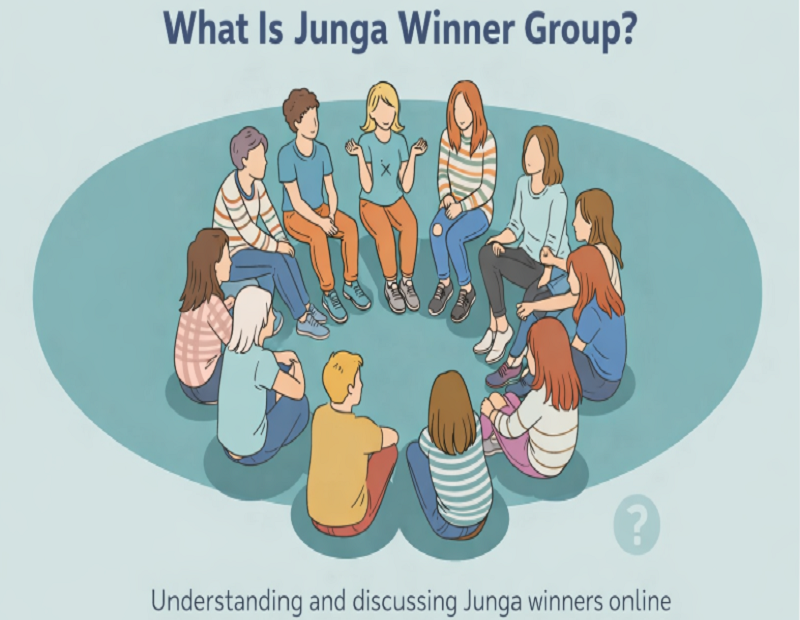
Junga Winner Group is an online term used for discussions or communities where people talk about “Junga”-related winners and share information or experiences.
A Simple and Neutral Explanation
Junga Winner Group generally refers to informal online discussions or groups focused on “Junga” winners or winning topics. It is not linked to any official system or guaranteed outcome and is mainly based on information sharing and discussion.
In What Context Is This Term Used?
This term is often used in online searches and conversations when people want to understand “Junga”-related results, read others’ experiences, or compare different viewpoints. The focus remains on discussion and understanding rather than any official conclusion.
Is This Concept Official or Informal?
Junga Winner Group is widely viewed as an informal concept with no single verified source or official structure. It exists through user interactions across different platforms and is best understood as a general informational term.
How Junga Winner Group Works
This section explains how online interactions and information sharing related to Junga Winner Group usually take place.
General Working Flow of the Group
In such groups, users typically follow discussions, read shared information, and respond based on their own understanding. The flow of content depends mostly on user interactions, observations, and ongoing conversations rather than any fixed or controlled system.
How People Interact
People usually interact in these groups by reading posts, sharing opinions through comments, and trying to understand others’ shared experiences. The main purpose of interaction is information exchange and discussion, where each user participates according to their own perspective.
Overall Method of Information Sharing
Information in these groups often circulates through personal observations, online discussions, and shared references from members. Each post is usually open to discussion, and there is no central verification process. Because of this, users often compare different opinions and sources to develop their own understanding.
Why People Search for “Junga Winner Group”
This section explains why people search for this term online and what they are trying to understand.
Main Reasons for Searching
People usually search this term to understand what type of online discussions or groups it is connected with and what its actual context is. The goal is often to compare available information, gain clarity, and reach a better understanding.
Verifying Information
In this context, people check different sources and discussions to understand how reliable or consistent the information is. Verification here usually means reading multiple opinions and comparing content to form a personal understanding.
Need for Trust and Clarity
People search for this term to differentiate between available information and gain clearer insight. The main focus is to reduce confusion and view online discussions in a balanced and informed way.
What Is Usually Discussed in Junga Winner Groups
This section highlights the types of conversations and discussions commonly found in such groups.
General Discussions and Shared Opinions
Members often share their opinions, observations, and personal viewpoints based on different online information. These discussions aim to increase understanding and explore multiple perspectives rather than reach a final conclusion.
Members’ Experiences
People in these groups also share their personal observations and interactions as experiences. These experiences help others understand different situations and viewpoints, but they are generally subjective and seen as references rather than facts.
Expectations vs Reality
Many people expect clear answers or strong outcomes from such groups, while in reality these spaces are mainly focused on discussion and information sharing. This makes it important for users to keep practical expectations and view shared content within a broader context.
Pros and Cons of Junga Winner Group
This section focuses on the possible benefits and drawbacks of Junga Winner Group in a balanced and neutral way.
Balanced Overview of Benefits and Drawbacks
One benefit of such online groups is that people can access different viewpoints and information in one place. However, a drawback is that not all shared information may be verified. Understanding these groups requires considering both sides and reading content with a critical mindset.
Awareness vs Risk of Misinformation
These groups can help increase awareness and understanding, but it is also important to be cautious about misinformation. Since content usually comes from users, readers need a critical approach and should check information across multiple sources.
Important Things to Know Before Taking It Seriously
This section explains what should be considered before relying heavily on such online concepts.
Realistic Expectations
Realistic expectations mean viewing online discussions and shared information as guidance or reference, not as guaranteed outcomes. It is important to understand content practically and balance it with information from other sources.
Independent Judgement
Independent judgement involves analyzing shared opinions and discussions rather than accepting them immediately. This helps users view information more responsibly and maintain a balanced perspective.
Responsible Approach
A responsible approach means treating online groups as sources of discussion and information, not as final authorities. Users should evaluate content critically, understand its limits, and base their decisions on their own understanding.
Description
In this article, I have shared my available knowledge and understanding about Junga Winner Group. For additional information or different perspectives, readers may also visit other relevant websites and sources.
Read more articles on :Cnlawblog.blog