
Quick answer:
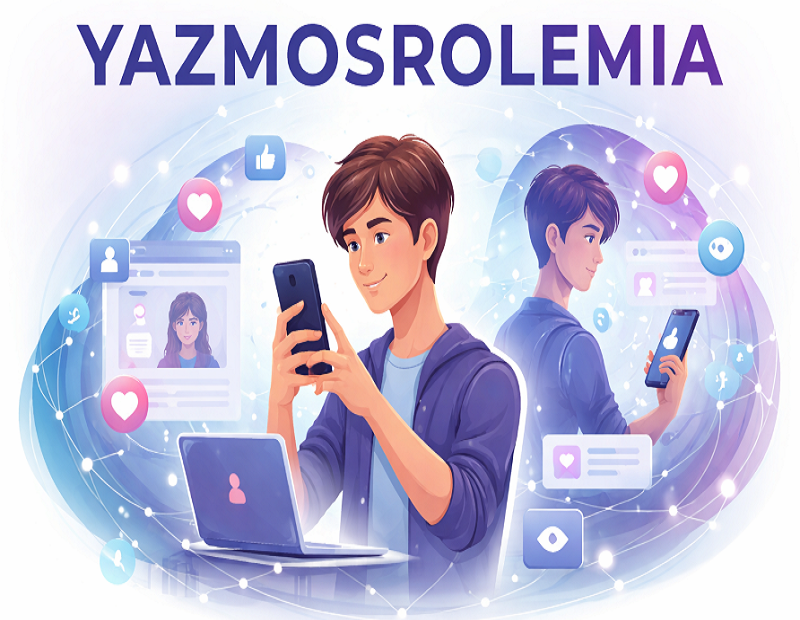
Yazmosrolemia describes a modern digital behavior where people both create and observe their own identity online. It reflects how social media, avatars, and online personas shape self-awareness in the digital age. The concept highlights the growing link between personal identity, online performance, and constant self-observation.
Introduction
Interest around new internet terms often grows before clear definitions appear. Many readers search online to understand what is yazmosrolemia and why the word appears across blogs and discussion forums. Early articles describe it as a modern idea connected to digital identity, awareness, and online culture. The topic attracts attention because it reflects how people create, observe, and question their own presence on the internet. This guide explores the yazmosrolemia concept in simple terms. Each section explains its meaning, origin, and relevance in today’s digital world while clearing up common confusion found in many online discussions.
Meaning of Yazmosrolemia
Clear understanding begins with a simple definition. The yazmosrolemia meaning often describes a mental state where a person acts and observes at the same time. In modern digital spaces, people create content while also watching and analyzing their own identity online. This dual role forms the core of the yazmosrolemia concept. Social platforms make this behavior common because users build profiles, share experiences, and monitor reactions from others. Many writers use the term to explain how awareness of one’s digital presence shapes behavior. In short, the idea reflects the growing connection between personal identity, self-observation, and life on the internet.
Origin of the Term Yazmosrolemia
Discussions about the word first appeared on blogs and niche websites that explore digital culture and modern identity. Early writers used the term to describe a growing awareness of how people present themselves online. No clear academic source defines the origin, which adds to the yazmosrolemia internet mystery. The name likely developed as a creative label rather than a scientific term. Online creators began using it to explain the shift between real-life identity and digital persona. As interest grew, more articles attempted to explain the idea, which helped the term spread across forums, blogs, and social media discussions.
The Concept in the Digital Age
Digital life makes identity more visible and more flexible. This shift supports the yazmosrolemia concept in modern online culture.
Social Media Identity
Users shape how others see them through posts and reactions.
Online Personas
Different platforms often bring out different versions of the same person.
Virtual Avatars
Digital characters let people express identity in interactive spaces.
Together, these layers show how online life blends self-expression, performance, and awareness.
Psychological Perspective
Modern online behavior often reflects deeper mental patterns. Many discussions around yazmosrolemia explained focus on how people think about themselves in digital spaces.
Self-Observation
Individuals often watch and evaluate their own behavior online.
Identity Fragmentation
Different platforms can lead people to present multiple versions of themselves.
Self-Awareness in the Digital World
Constant feedback and visibility increase awareness of personal identity and online presence.
Key Characteristics of Yazmosrolemia
Clear patterns appear when writers describe the yazmosrolemia concept in digital culture. A key feature involves performing identity while also observing personal behavior online. Another characteristic includes strong awareness of audience reactions such as comments, likes, and shares. Many discussions also highlight identity flexibility, where users adjust their personality across different platforms. Continuous self-reflection forms another important element because individuals often analyze how they appear to others. These traits together help explain yazmosrolemia meaning in practice. The idea therefore focuses on awareness, performance, and reflection within modern online environments.
Is Yazmosrolemia a Real Medical Condition?
Medical sources do not recognize this term as an official disease. Most discussions online present it as a cultural or psychological idea rather than a clinical diagnosis. Articles exploring what is yazmosrolemia often describe behavior related to digital identity and self-observation. No scientific studies confirm it as a medical disorder. Symptoms sometimes mentioned on blogs usually reflect general stress, fatigue, or online pressure, not a defined illness. For this reason, experts treat the concept as a discussion about awareness and identity in modern internet culture instead of a real medical condition.
Real-Life Examples
Everyday digital behavior often shows how the yazmosrolemia concept appears in practice. A content creator records a vlog and later watches it to judge performance and audience reaction. Social media users post photos and quickly check likes, comments, and shares to measure their online image. Gamers control avatars that represent them inside virtual worlds while observing how others respond. Professionals also manage separate online profiles for work and personal life. These situations show how people perform an identity while also analyzing it. Such patterns help explain the practical side of yazmosrolemia meaning in modern internet culture.
Why Yazmosrolemia Is Trending Online
Growing interest around digital identity has pushed this topic into online discussions. Many readers search for yazmosrolemia meaning while trying to understand new internet behavior. Blogs and niche websites often present the term as an idea connected to self-awareness in digital spaces. Curiosity increases because the concept blends psychology, social media culture, and online identity. People also share articles to explore what is yazmosrolemia and why it appears across different platforms. As more creators discuss modern identity and internet presence, the term continues to spread through blogs, forums, and social media conversations.
Future Implications
Rapid changes in digital technology will likely expand discussions around the yazmosrolemia concept. Online spaces already influence how people present and evaluate their identity. Emerging technologies such as virtual environments and AI-driven platforms may deepen this behavior. Individuals could manage multiple digital versions of themselves across different networks and communities. Continuous interaction with these systems may also increase awareness of personal image and online reputation. As internet culture evolves, researchers and writers may continue exploring yazmosrolemia explained as a way to understand identity, observation, and self-presentation in future digital environments.
Comparison With Other Digital Identity Concepts
Many ideas try to explain how identity changes in online spaces. The yazmosrolemia concept often overlaps with terms like digital identity, online self-presentation, and virtual persona. Digital identity usually refers to the information and profiles that represent a person on the internet. Online self-presentation focuses on how users shape their image for an audience. Virtual persona describes characters or identities used in online communities. Discussions of yazmosrolemia explained highlight something slightly different. The focus remains on the experience of acting while also observing one’s own digital presence at the same time.
Common Misconceptions
Confusion often surrounds the yazmosrolemia concept because many websites present different explanations. Some articles describe it as a medical illness, while others treat it as a mysterious scientific condition. Reliable sources do not support these claims. Another misconception suggests the term comes from academic psychology, yet no formal research defines it that way. Many readers also believe it has a single fixed meaning. In reality, discussions around yazmosrolemia explained usually describe a cultural idea linked to digital identity and self-observation rather than a verified scientific or medical concept.
FAQs About Yazmosrolemia
What does Yazmosrolemia mean?
The term usually describes a state where a person creates and observes their own identity online. Many discussions explain the yazmosrolemia meaning as a mix of self-expression and self-awareness in digital spaces.
Is Yazmosrolemia a real disease?
Medical sources do not recognize it as a disease. Most writers describe it as a cultural or psychological idea rather than a clinical condition.
Where did the term Yazmosrolemia come from?
Blogs and online discussions popularized the word. No clear academic or scientific origin exists.
Why is Yazmosrolemia trending online?
Interest in digital identity and online behavior has increased curiosity about this concept.
How does Yazmosrolemia relate to social media?
Social platforms encourage people to perform and observe their identity at the same time.
Conclusion
Yazmosrolemia describes a modern idea about how people create and observe their identity online at the same time. The concept highlights the growing connection between digital platforms, self-awareness, and personal expression. As online culture continues to evolve, discussions around this idea may help explain how identity and behavior change in the digital world.
Disclaimer:
The content here is based on my research, but you should also visit other websites to verify the information.
Read more topics on :Cnlawblog.blog