
Quick Answer:
Oxzep7 software development starts with understanding what the software is and where it is used, followed by defining clear requirements and selecting the right technology stack. A structured step-by-step development process, along with proper maintenance and scalability planning, helps ensure long-term success while addressing real challenges developers face.
What Is Oxzep7 Software and Why It Matters
Oxzep7 software refers to a modern development approach focused on building systems that are structured, adaptable, and designed to perform reliably as requirements evolve. Understanding how Oxzep7 software works helps developers and businesses create applications that are easier to manage, scale, and maintain over time. Its importance lies in promoting organized development practices, reducing long-term technical risks, and supporting software solutions that can grow alongside user and business needs.
Common Use Cases of Oxzep7 Software
| Use Case | Description |
| Internal System Development | Oxzep7 software can be used to build internal tools that help organizations manage workflows, data processing, and operational tasks in a structured way. |
| Scalable Application Frameworks | It is suitable for applications that need to grow over time, allowing developers to add new features without rebuilding the entire system. |
| Secure Software Solutions | Developers may use Oxzep7-style architecture to design software with security-focused practices such as controlled access and modular components. |
| Process Automation | Oxzep7 software can support automation of repetitive tasks, improving efficiency and reducing manual workload in digital systems. |
| Prototype and MVP Development | It is useful for creating early-stage prototypes or minimum viable products (MVPs) that require flexibility and future expansion. |
| Educational and Learning Projects | Developers and students can use Oxzep7 software concepts to understand structured development, system design, and software lifecycle management. |
Key Requirements Before Developing Oxzep7 Software
Before beginning Oxzep7 software development, it is essential to lay a strong groundwork that defines direction, reduces risk, and improves development efficiency. Clear preparation helps ensure that the software is built with purpose, stability, and long-term usability in mind.
Clear Objectives and Scope Definition
Establishing well defined goals is the first requirement. Developers should clearly outline what the software is expected to do, its core features, and its limitations. A well-defined scope prevents unnecessary feature expansion and keeps development focused.
Technical Readiness and Tool Selection
Choosing the right technologies and tools is critical before development starts. This includes confirming programming languages, frameworks, databases, and development environments that align with the project’s needs. Technical readiness ensures smoother development and fewer complications later.
Resource Planning and Risk Awareness
Proper planning of time, budget, and team responsibilities is necessary for sustainable development. In parallel, identifying potential risks such as scalability challenges or maintenance issues allows developers to prepare solutions in advance and avoid project disruptions.
Choosing the Right Technology Stack for Oxzep7 Software
Selecting the right technology stack is a critical decision in Oxzep7 software development because it directly affects performance, scalability, and long-term maintainability. A well-chosen stack helps developers build stable systems, reduce technical issues, and adapt the software as requirements evolve.
Key points to consider when choosing a technology stack:
- Development Goals Alignment
The chosen technologies should match the core objectives of the Oxzep7 software, including expected functionality, complexity, and future expansion. - Backend Technology Selection
Choosing a reliable backend language and framework is essential for handling data processing, security, and business logic effectively. - Frontend Compatibility
The stack should support user-friendly interfaces and smooth interaction, ensuring consistent performance across devices and platforms. - Database and Data Management
Selecting the right database system helps manage data efficiently, supports scalability, and improves overall system reliability. - Scalability and Flexibility
The technology stack should allow easy integration of new features and handle increased user demand without major restructuring. - Long-Term Maintenance Support
Technologies with active communities and long-term support make updates, debugging, and maintenance easier over time.
Step-by-Step Process to Develop Oxzep7 Software
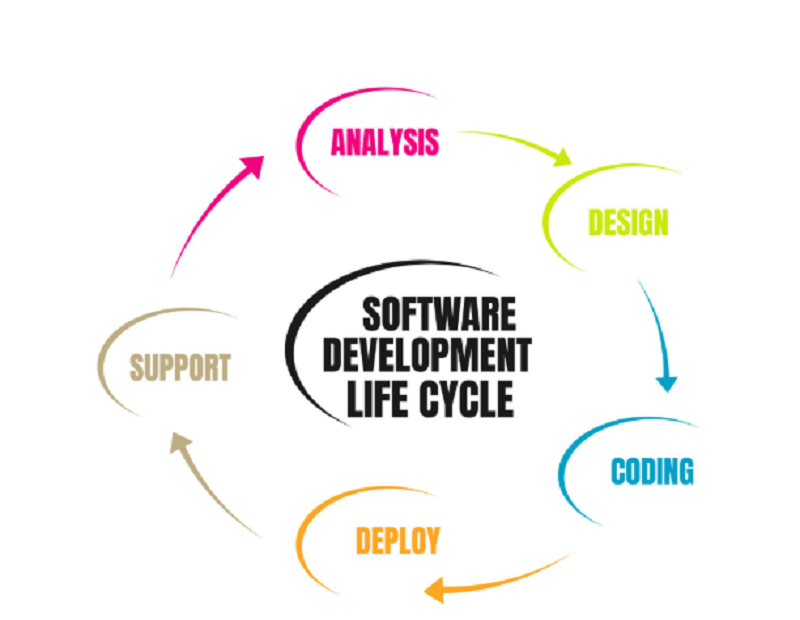
Developing Oxzep7 software becomes much more effective when the entire process is divided into clear and manageable stages. This structured approach helps maintain focus, minimize errors, and build a reliable application from the ground up.
- Step 1: Define the Problem and Objectives
Begin by clearly identifying the problem the software is meant to solve and who the target users are. Establishing clear goals provides direction and helps measure success later. - Step 2: Gather Requirements and Plan Features
List the essential features required for the software to function correctly, along with any optional enhancements. Clear requirements help avoid scope creep and confusion during development. - Step 3: Design the System Architecture
Plan how different components of the software will interact. This includes defining modules, data flow, and basic security considerations to ensure the system is organized and stable. - Step 4: Select the Technology Stack and Tools
Choose programming languages, frameworks, databases, and tools that align with the project’s needs and long-term goals. The right choices at this stage simplify development and future updates. - Step 5: Develop the Software in Modules
Start coding by building core functionality first, then expand gradually. A modular approach makes debugging easier and improves overall code quality. - Step 6: Test for Quality and Performance
Conduct thorough testing to identify bugs, performance issues, and usability problems. Testing ensures that the software works as expected before release. - Step 7: Deploy and Launch the Application
Release the software in a controlled environment, configure servers and settings, and monitor performance to catch issues early. - Step 8: Maintain and Improve Over Time
After launch, continue improving the software through updates, optimization, and user feedback. Ongoing maintenance ensures long-term reliability and scalability.
Maintenance, Updates, and Scalability
| Aspect | Explanation |
| Maintenance | • Regular monitoring helps detect bugs and performance issues early.• Routine backups protect data and system stability.• Code cleanup and optimization keep the software efficient over time. |
| Updates | • Timely updates ensure compatibility with new technologies and tools.• Feature enhancements improve usability and user satisfaction.• Security updates help protect the software from potential risks. |
| Scalability | • A scalable design allows the software to handle growing users or data.• Flexible architecture supports adding new features without major changes.• Performance planning ensures stable operation under increased load. |
Real Challenges Beginners Face While Building Oxzep7 Software
Beginners often struggle when building Oxzep7 software because development involves more than just writing code. One of the most common challenges is lack of clarity at the start. New developers may begin without fully understanding the problem they are trying to solve, which leads to frequent changes and confusion during development.
Another major challenge is choosing the right technologies. Beginners may select tools or frameworks that are either too complex or not suitable for the project’s actual needs. This can slow progress and make debugging more difficult than necessary.
System design and structure also pose difficulties. Without experience in planning software architecture, beginners often create tightly coupled systems that are hard to maintain or expand later. This becomes a major issue when new features are required.
Additionally, testing and debugging can feel overwhelming. Beginners may underestimate the importance of testing, leading to unstable software and unresolved bugs at later stages.
Finally, time management and consistency are common problems. Balancing learning, development, and deadlines is challenging, and without proper planning, projects can easily fall behind.
Conclusion
Developing Oxzep7 software requires a clear understanding of its purpose, careful planning, and a structured development approach. By focusing on the right requirements, choosing suitable technologies, and following a step-by-step process, developers can create reliable and scalable solutions. Addressing maintenance, scalability, and beginner challenges further ensures long-term success and sustainable software growth.
Frequently Asked Questions (FAQs)
1. Is Oxzep7 software suitable for beginners?
Yes, beginners can work with Oxzep7 software if they follow a structured approach and focus on clear planning and learning basics first.
2. How long does it take to develop Oxzep7 software?
The timeline varies depending on project scope, features, and developer experience, but simple versions can be built in a few weeks.
3. Do I need advanced technical skills to develop Oxzep7 software?
Basic programming knowledge is sufficient to start, while advanced skills help with optimization and scalability.
4. Can Oxzep7 software be scaled in the future?
Yes, when designed properly, Oxzep7 software can be scaled to support more users, features, and data.
5. Is ongoing maintenance necessary after development?
Yes, regular maintenance and updates are essential to keep the software secure, stable, and up to date.
Disclaimer
This article is for informational purposes only and does not represent official documentation or professional advice.
For more: https://cnlawblog.blog/