
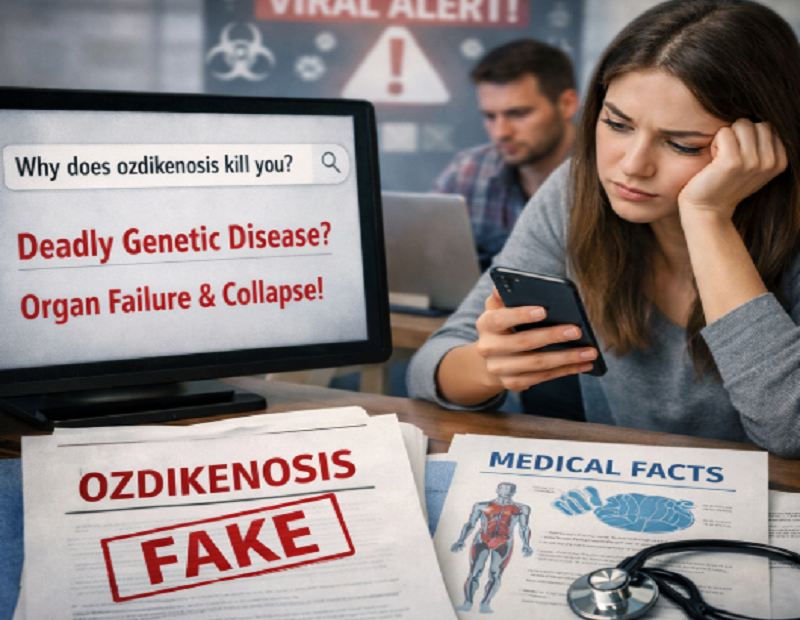
The term “ozdikenosis” has recently gained attention online, leaving many curious and concerned. People are searching for answers, unsure of what it really means. This article explores the topic, separates fact from fiction, and points to reliable sources for understanding the claims surrounding it.
The Viral Panic: Why Everyone’s Searching
Type “why does ozdikenosis kill you” into Google, and you’ll see hundreds of alarming articles claiming it’s a deadly genetic disease. Parents panic about their children. Adults who are just tired worry they might be dying. Social media posts exaggerate the danger with phrases like “cellular collapse” or “energy failure.”
Here’s the truth: ozdikenosis isn’t real. It doesn’t exist in any hospital records, medical database, or scientific journal. WHO, CDC, Mayo Clinic, and other trusted institutions have no record of it. The fear is real but the disease is not.
How to Tell Real vs Fake
| Check | Ozdikenosis | Real Disease |
| Medical databases | 0 results | PubMed, WHO, journals |
| Diagnosis codes | None | Official ICD-10 codes |
| Doctor knowledge | None | Taught in medical school |
| Lab tests | None | Specific tests exist |
| Treatment | Can’t treat | Protocols available |
Ozdikenosis Doesn’t Exist
Check PubMed, NIH archives, or standard medical textbooks you won’t find a single reference. No doctor has diagnosed it, no lab has tested for it, and no patient has died from it.
The term appeared online through content farms and SEO-driven websites. Writers took real medical ideas like mitochondrial failure or organ dysfunction, added a fake name, and presented it as a rare genetic killer. The “-osis” ending, common in real conditions like tuberculosis or scoliosis, makes the term sound legitimate even though it’s entirely fabricated.
What People Are Actually Experiencing
Most of the symptoms linked to ozdikenosis fatigue, muscle weakness, brain fog, and unexplained pain have real medical explanations:
- Fatigue: Thyroid problems, anemia, vitamin deficiencies, sleep apnea, depression.
- Muscle Weakness: Electrolyte imbalance, kidney issues, neurological conditions.
- Brain Fog: Hormonal shifts, blood sugar fluctuations, stress, medication side effects.
- Pain: Fibromyalgia, arthritis, nerve damage.
- Digestive Issues: IBS, food intolerances, inflammatory bowel disease.
Why This Hoax Spread Online
Content creators benefit from clicks, and rare, scary-sounding diseases attract attention. Anxiety drives engagement clicks, shares, comments which search algorithms reward, helping misinformation spread.
Social media amplifies this effect. Multiple websites repeating the same claims give a false sense of authority, even though none reference verified medical sources.
Real Conditions That Look Like “Ozdikenosis”
- Mitochondrial Diseases: These are genetic conditions affecting how cells produce energy. Symptoms can include muscle weakness, exercise intolerance, vision or hearing problems, developmental delays, seizures, and organ dysfunction. Diagnosis requires genetic testing and specialist evaluation.
- Osteochondrosis: Affects bone and cartilage growth in children and teenagers. It’s not life-threatening and typically resolves with proper treatment.
- Other Metabolic Disorders: Enzyme deficiencies, amino acid or organic acid disorders. Rare but real, with established diagnostic methods and treatments.
Dangers of Misinformation
Believing in fake diseases can create serious problems:
- Delayed diagnosis and treatment of real conditions.
- Increased anxiety and psychological stress.
- Exposure to scammers selling fake treatments or unregulated supplements.
How to Spot Fake Medical Information
- Check reputable sources: Mayo Clinic, Cleveland Clinic, Johns Hopkins, CDC, NIH.
- Real diseases have ICD codes, peer-reviewed research, and official clinical guidelines.
- Be cautious of sensational language like “silent killer” or “kills instantly.” These are red flags for misinformation designed to grab clicks, not educate.
When to See a Doctor
- Emergency: Chest pain, sudden weakness, severe headache, high fever, vomiting blood.
- Regular check-up: Fatigue lasting more than two weeks, unexplained weight loss, persistent pain, or new/changing moles.
Never self-diagnose based on internet articles. Describe your actual symptoms to a licensed physician who can provide proper evaluation and guidance.
Trusted Medical Resources
- Mayo Clinic, Cleveland Clinic, Johns Hopkins: Clear, patient-friendly information.
- CDC, NIH, MedlinePlus: Reliable government data.
- Professional Societies: American Heart Association, American Diabetes Association—specialty guidance based on research and clinical expertise.
FAQs
Is ozdikenosis real?
No. It doesn’t exist in any medical records or institutions.
Why are people searching for it?
Content farms created the term to attract clicks. It spread through social media and SEO-driven websites.
What real conditions match these symptoms?
Mitochondrial diseases, metabolic disorders, chronic fatigue syndrome, and other genuine conditions.
Can fake disease information harm people?
Yes. It can delay real medical care, cause unnecessary anxiety, and lead to scams.
Conclusion
Ozdikenosis cannot kill you, it’s entirely made up. The real risk comes from believing misinformation, which may delay proper diagnosis and treatment of actual health issues.
Focus on critical thinking, trusted sources, and professional medical advice. Your health deserves accurate care, not viral panic.
Disclaimer:
This article reflects the knowledge I had when writing it. For complete and up-to-date information, please consult other trusted sources.
Read more topics on :Cnlawblog.blog